Size & fit recommendation
Recommend the right size, every time
StyleProfile’s fit engine combines what a shopper tells us about their body with each garment’s own measurements, and returns a size while they are still deciding. It runs on the same catalogue sync as try-on, so the size answer arrives in the same panel as the render.

The size problem
Fit is the reason clothes come back
Roughly half of apparel returns are fit-driven — the garment arrived and it was the wrong size, not the wrong item. That return is paid for twice: once in shipping and handling, and again in the margin lost on a garment that has to be restocked or discounted.

Ranges, not promises. Your own result depends on category, catalogue quality and how early shoppers reach the fit step.
How the engine works
Two inputs and a feedback loop
The engine compares a shopper’s body data against the measurements of the specific garment, then learns from what happens to the order. Nothing here depends on the shopper trusting a size label.
Body data from the shopper
Input one
The garment’s own measurements
Input two
Return outcomes, fed back
Feedback

Per garment, not per label
An M in one brand is not an M in another
Where it appears
Three places a shopper meets the recommendation
The recommendation shows up at the three moments a size decision is actually made: on the product page, inside the try-on panel, and in the cart before checkout.
Product page
A size pill next to the size selector
The recommendation sits inline with the sizes a shopper is already looking at, with one line explaining what it is based on. It is a suggestion, not a lock: any size stays selectable.
Product page
Satin midi skirt · $96
Your size: L — based on your height, weight and this garment’s measurements.
Try-on panel
A fit note beside the render
While the shopper is looking at themselves in the garment, the panel says which size that render represents and what the alternative would change. Fit stops being an abstract chart.
Try-on panel
Size L looks right for this cut.
Take M if you want it closer to the body. This render is showing L.
Cart
A nudge before the order is placed
If the size in the cart disagrees with the recommendation, one quiet line offers the swap. No modal, no interruption, and never more than once per item.
Cart
You picked M.
Shoppers with your measurements usually keep L in this style. Switch to L
Illustrative interface, drawn here in plain HTML — not a screenshot.
With try-on
Better together, on purpose
Try-on answers “does this look right on me”. The fit engine answers “which size do I order”. Shoppers ask both in the same breath.
One set of measurements
The size shown beside a render is the size that render represents.One feedback loop
Every kept or returned order teaches the engine about that specific cut.
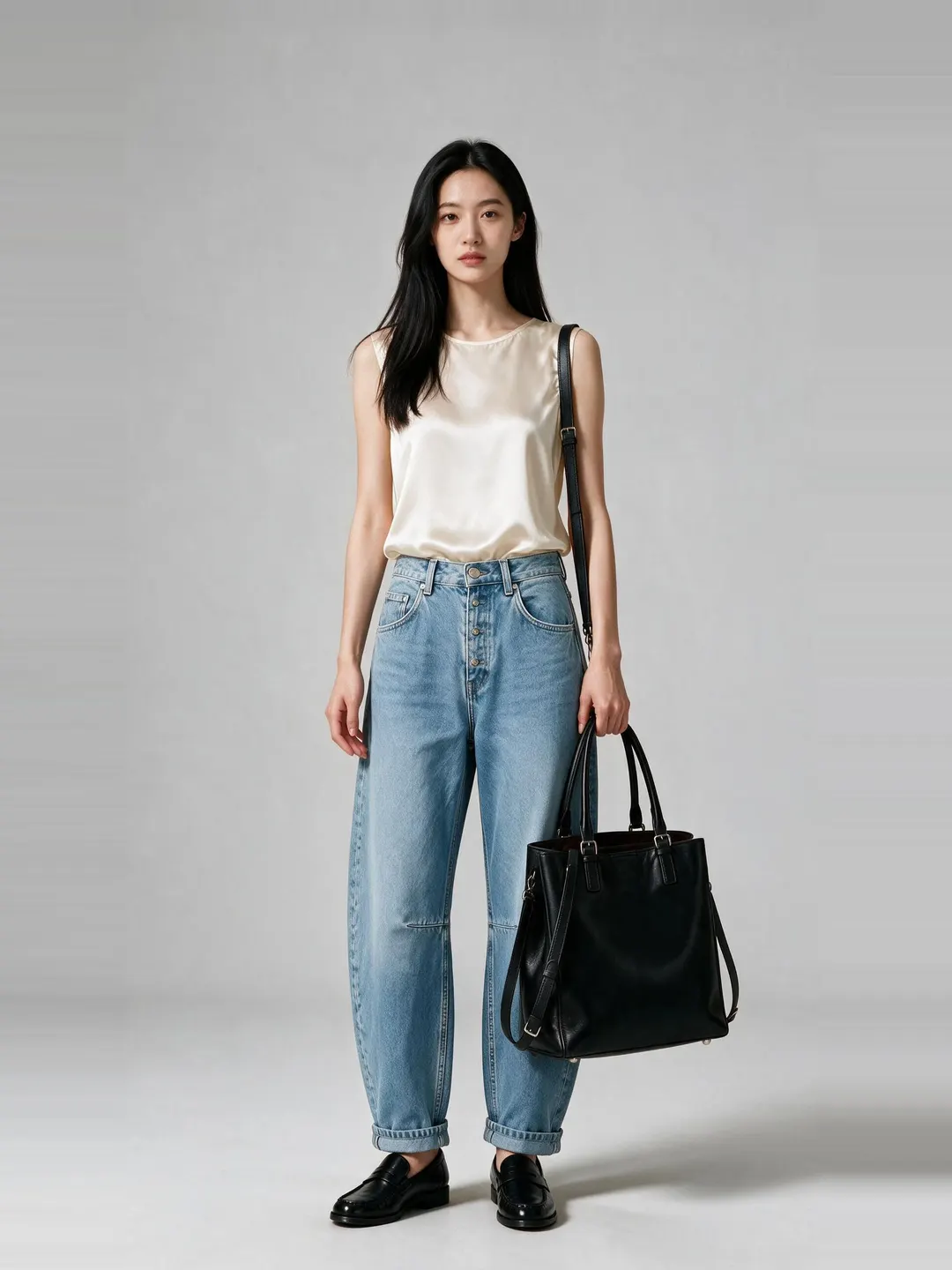
Trouser · true to size 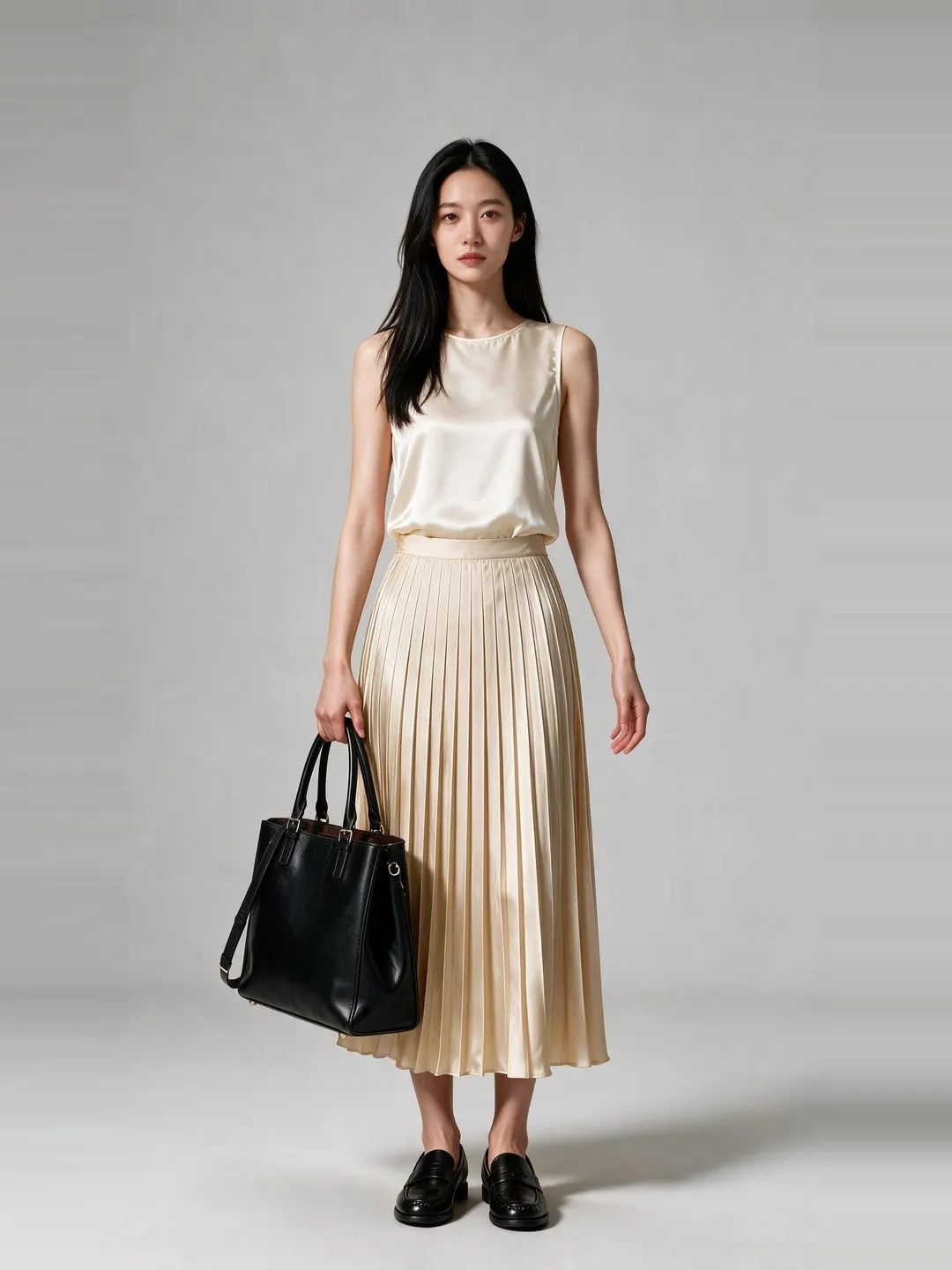
Skirt · size down 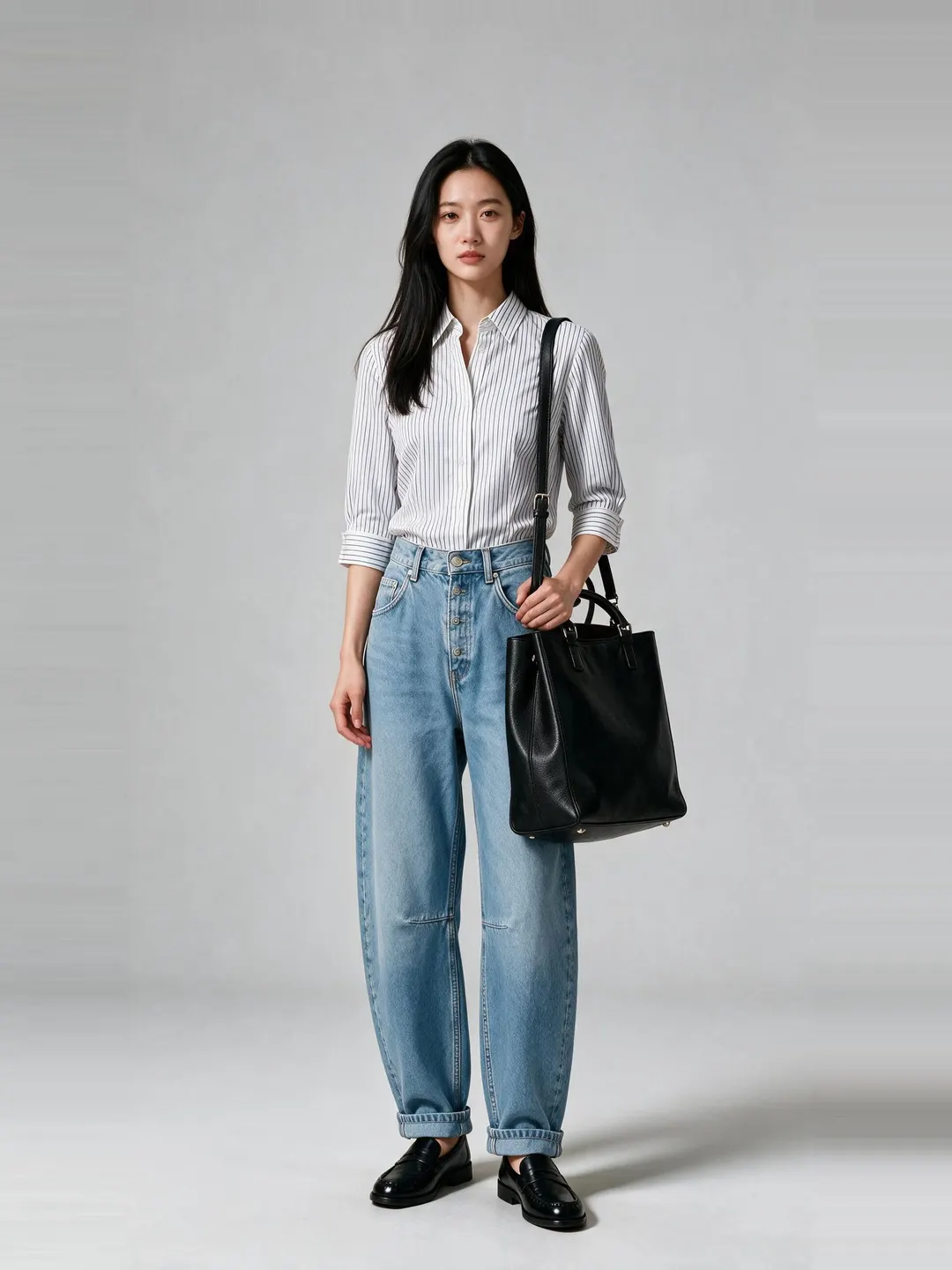
Knit · true to size 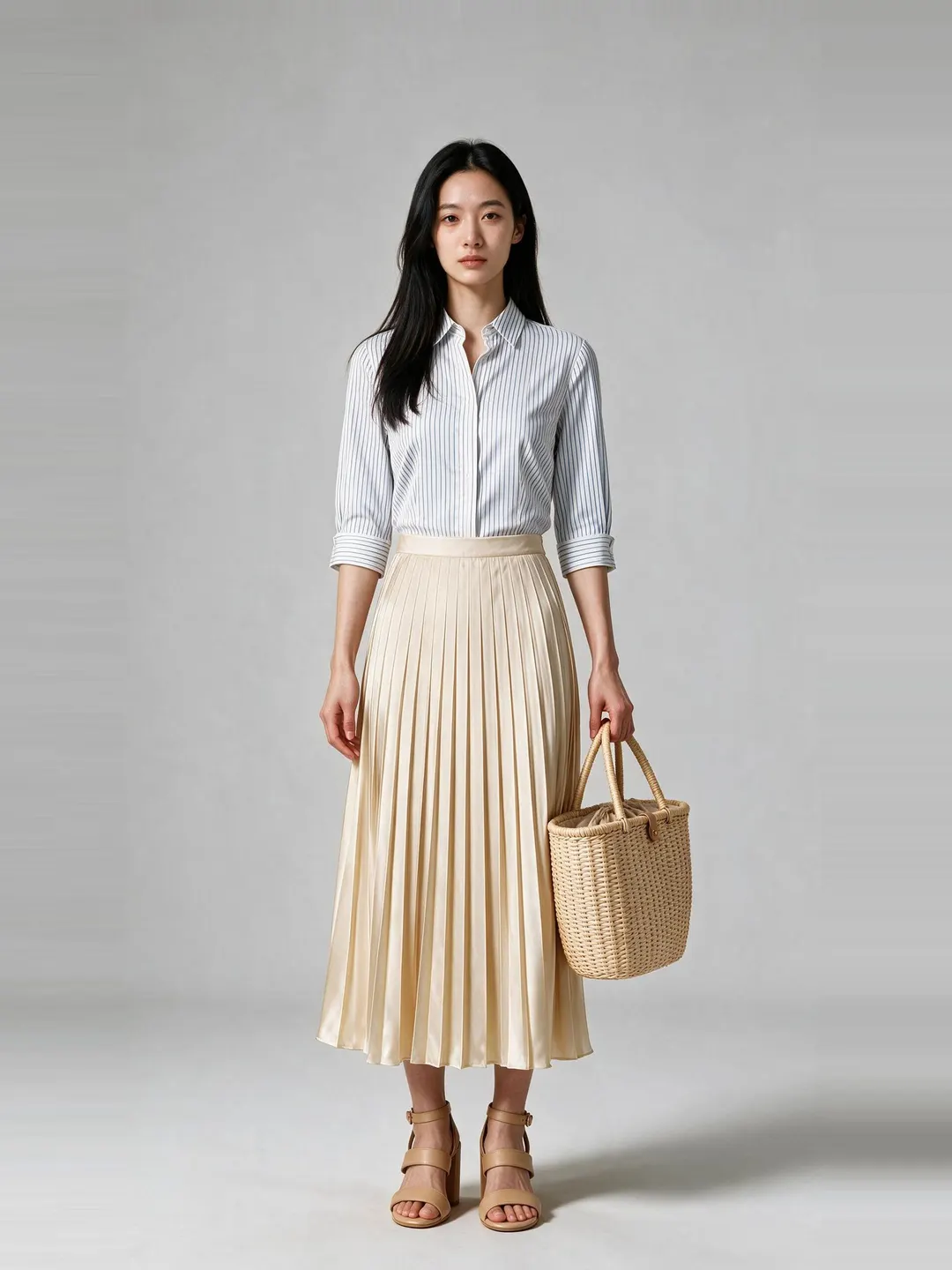
Heel · half size up


Illustrative guidance per garment — the size answer belongs beside the render, not on a separate size-chart page.
FAQ
Size and fit questions

Next step
Answer the size question before the order ships
Try the live demo now, or take 30 minutes with us and we will run try-on and fit on your own catalogue.
Cancel anytime · No long-term contract · Live on your store in minutes